What does retirement cost in 2026?
Every year, Pensions UK updates its Retirement Living Standards, to give people a better idea of how much they will need in retirement. So what does retirement cost in 2026?

Do you know how much you might need in retirement? Every year, Pensions UK updates its Retirement Living Standards, to give people a better idea of how much retirement will cost them – and to help them plan accordingly.
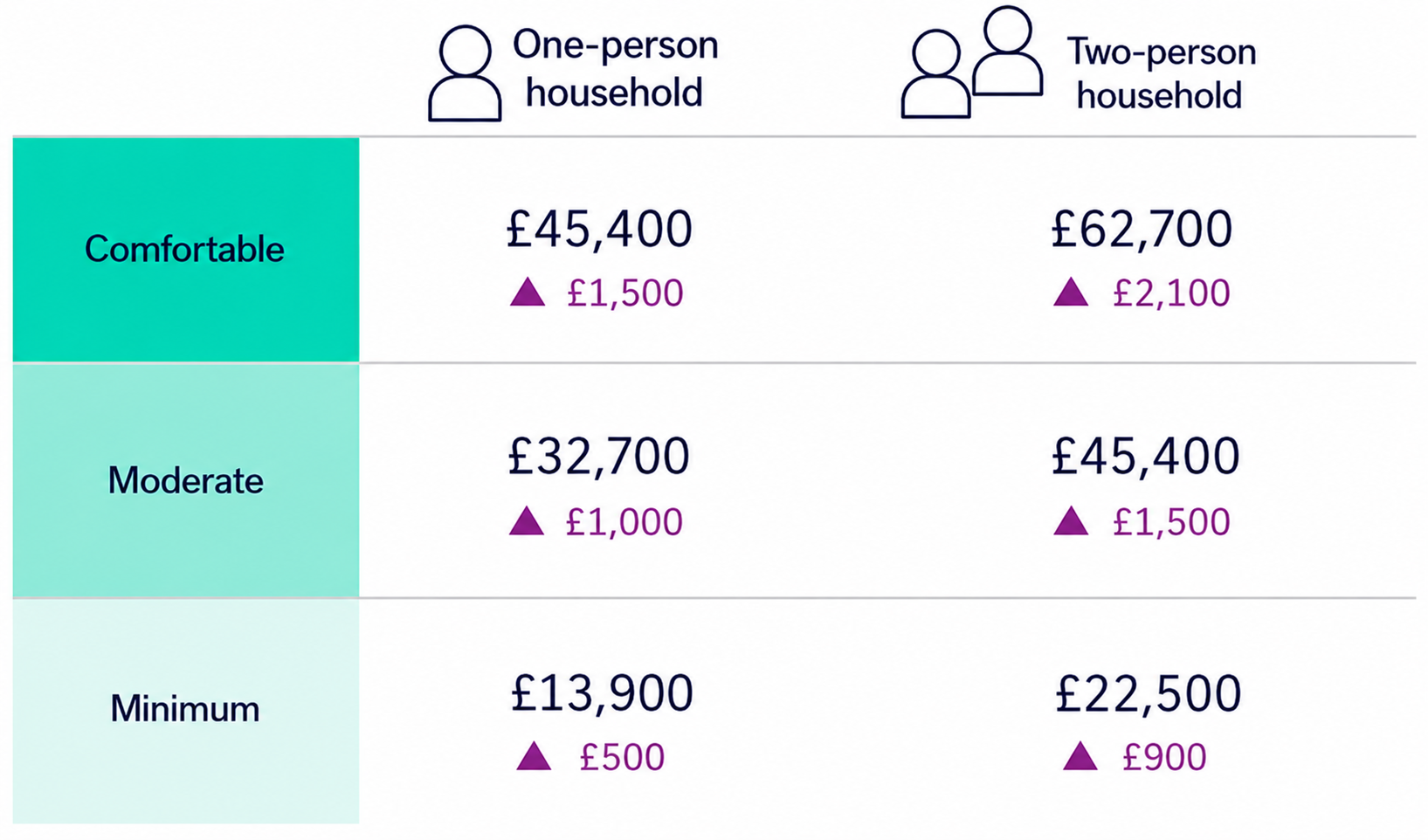
Thanks to falling energy prices and shifting expectations, the cost of achieving a Minimum retirement lifestyle has actually gone down. But if you’re aiming for a Moderate or Comfortable retirement, costs are up slightly, thanks to inflation in everything from food to holidays – though utility bills have softened the blow.
What are the Retirement Living Standards?
Developed by Loughborough University’s Centre for Research in Social Policy on behalf of Pensions UK, the Retirement Living Standards help people picture what life in retirement could look like – and how much it might cost. The standards cover three lifestyle levels:
- Minimum – covering the basics with a few small extras
- Moderate - a bit more financial freedom
- Comfortable – more luxuries, such as more holidays and weekends away as well as more spare money to enjoy meals out
They’re grounded in research with people across the UK, so they reflect what retirees actually want and need.
What’s changed for 2026?
Perhaps unsurprisingly, the cost to achieved each standard in retirement had increased year-on-year.
These increased figures reflect rises in everyday costs across spending categories such as food, essential household bills and transport, as well as the social activities and hobbies.
The new figures are shown below (after tax amounts):
The role of the State pension
The state pension continues to play a vital role, especially for those in two-person households as it typically covers the essentials needed for a Minimum standard of living. But for those hoping for anything beyond the basics, they’ll need more than just the state pension, which is where a workplace pension can play an important role.
Are you saving enough?
Auto-enrolment is helping more people save, but the current 8% minimum contribution rate might not be enough to guarantee the type of retirement lifestyle you want. Pensions UK recommends aiming to contribute at least 12% to boost your chances of a Moderate or Comfortable retirement. If you’re currently saving the bare minimum, now might be a good time to review your finances and see if you’re able to contribute any more to help improve retirement lifestyle.
To see if you’re on track for the type of retirement lifestyle you want to achieve, why not try the ‘Boost your savings’ tool in your online account?
To learn more about the Retirement Living Standards, visit the Pensions UK website.
Related news & insights
-
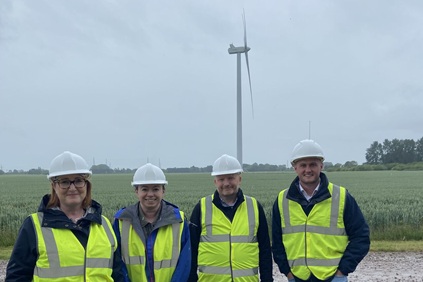
Your investments in action: The Grange Wind Farm
Find out how your pension investments help to power more than 10,000 homes in Lincolnshire with renewable energy. -

ESG reports explained: Understanding the impact of your investments
Our ESG reports help you see, at a glance, how your pension investments fare when it comes to their environment, social and governance credentials. -

UK savers back Pension Commission findings
UK pension savers are increasingly aware they’re falling short on retirement savings, according to new research from TPT. -

100,000 more pensions cashed in full each year since 2018
Over 100,000 more pensions are being cashed in full today than they were seven years ago when records began, according to new analysis by TPT.